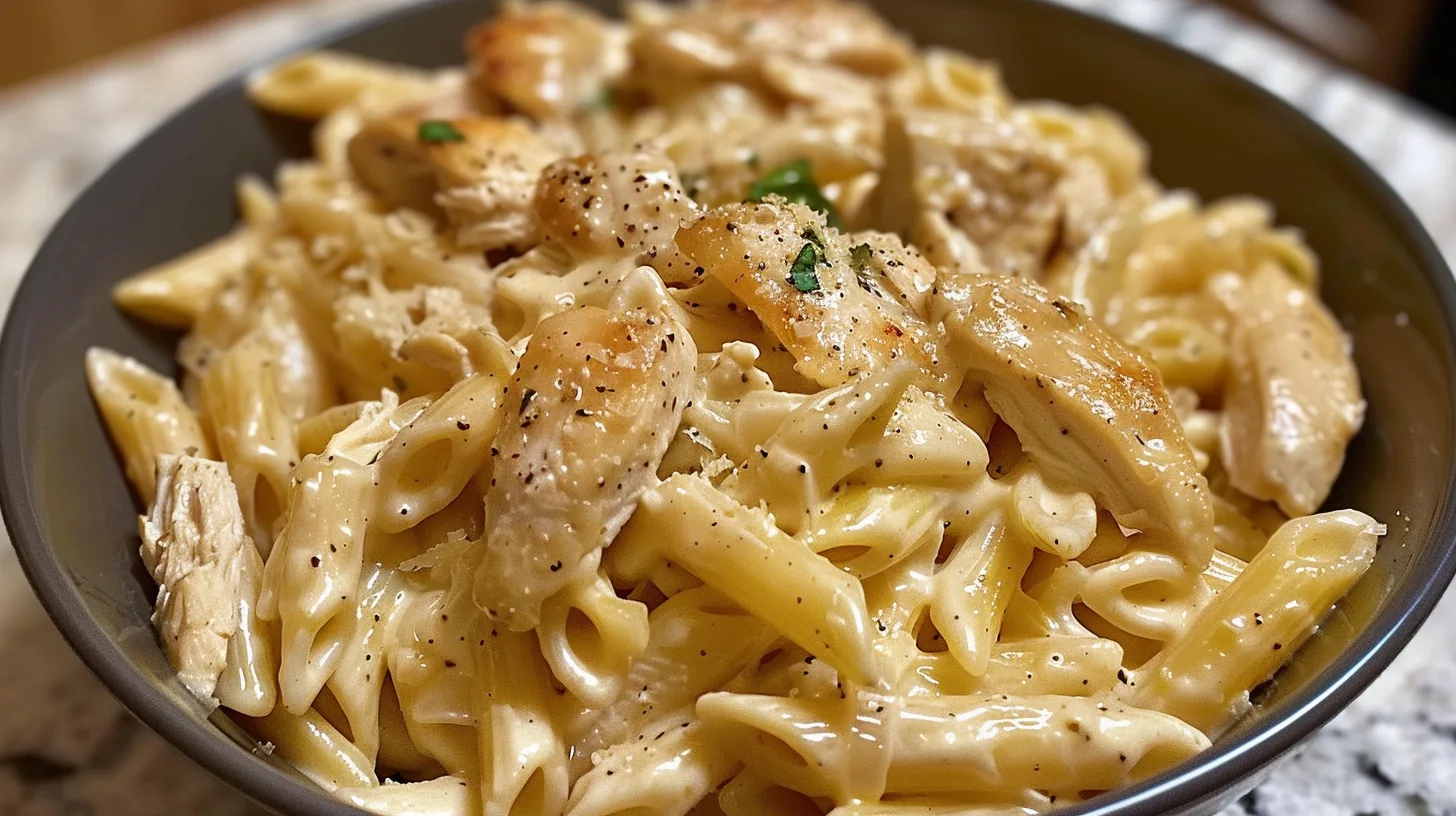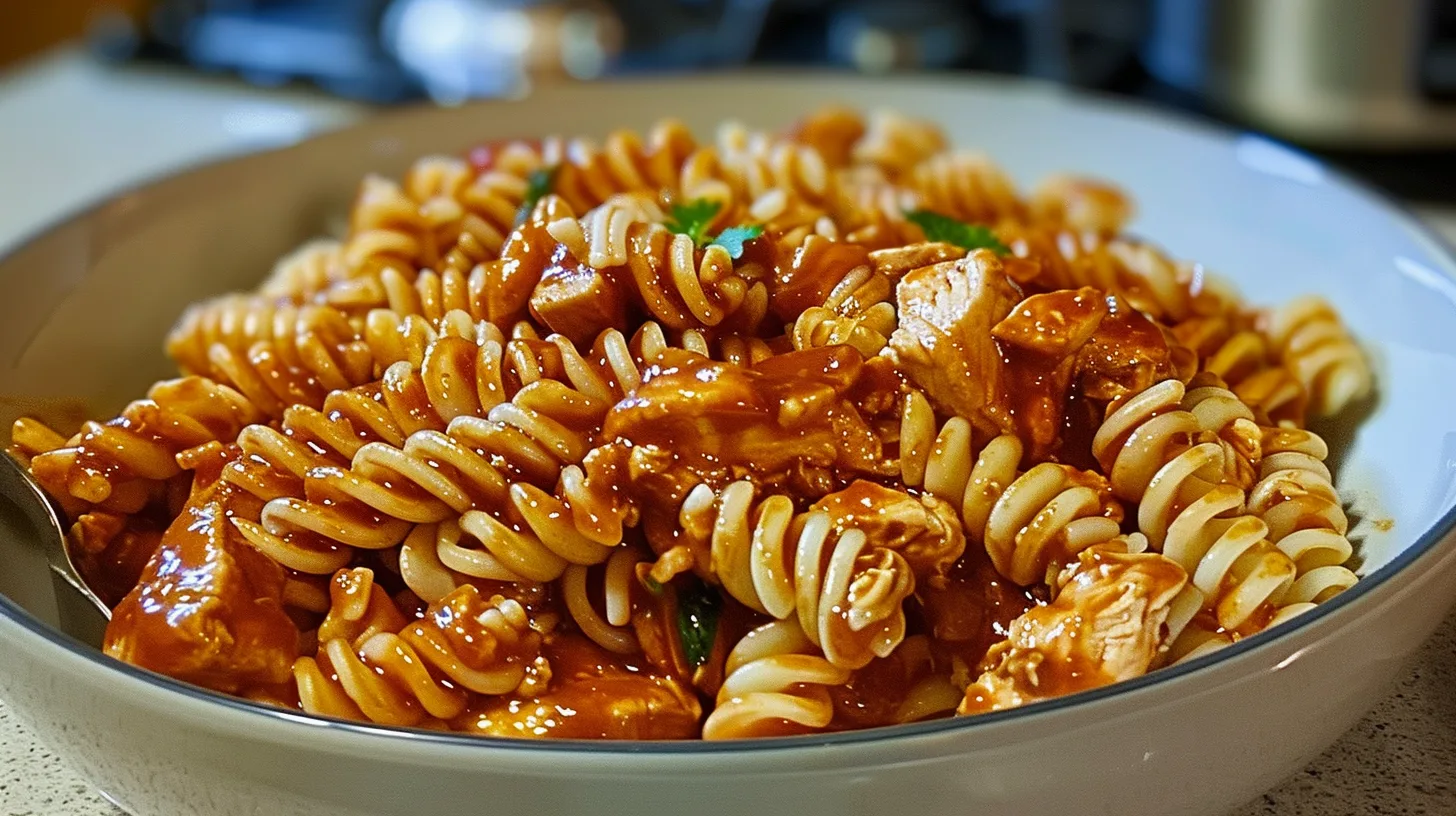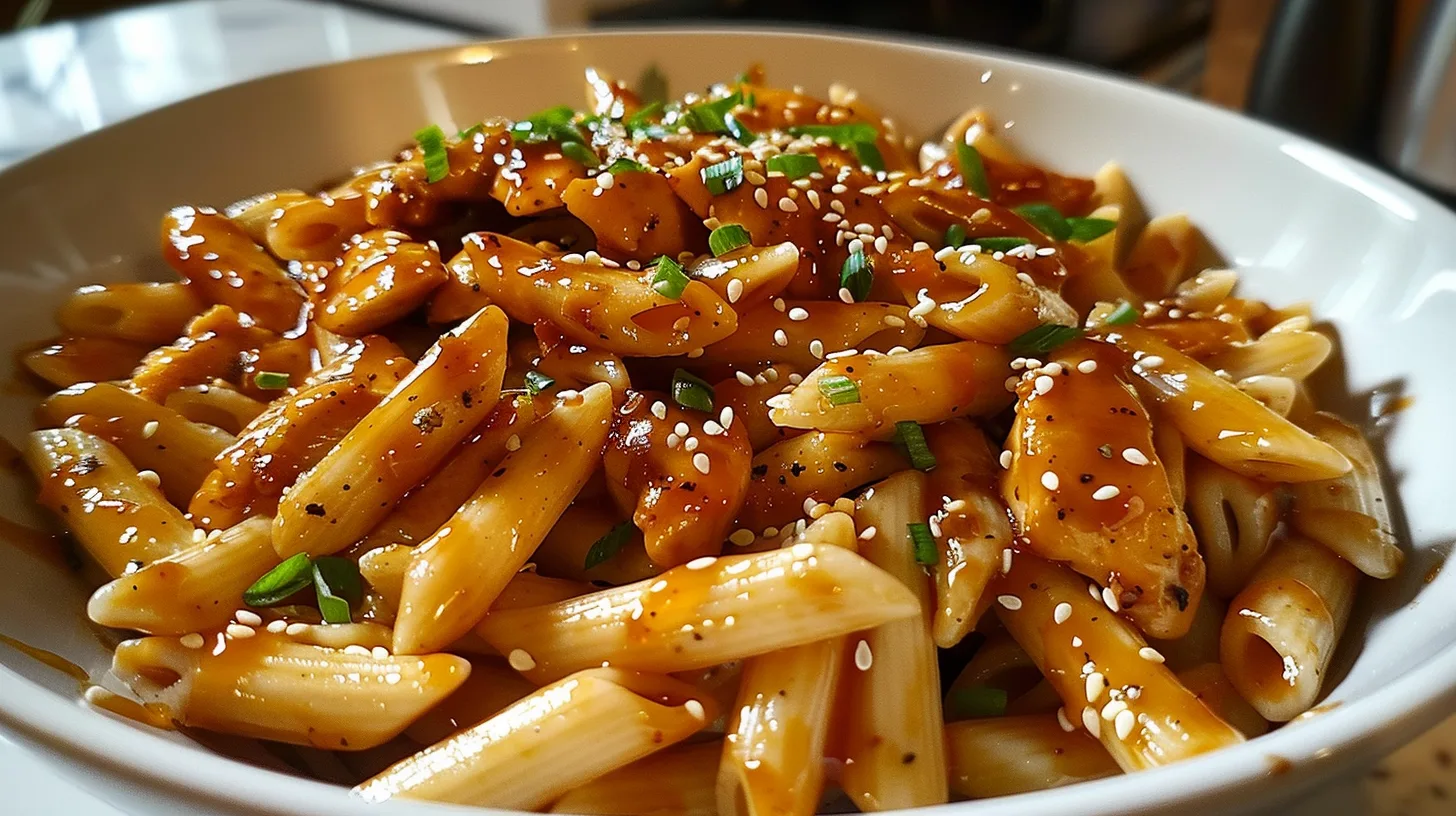

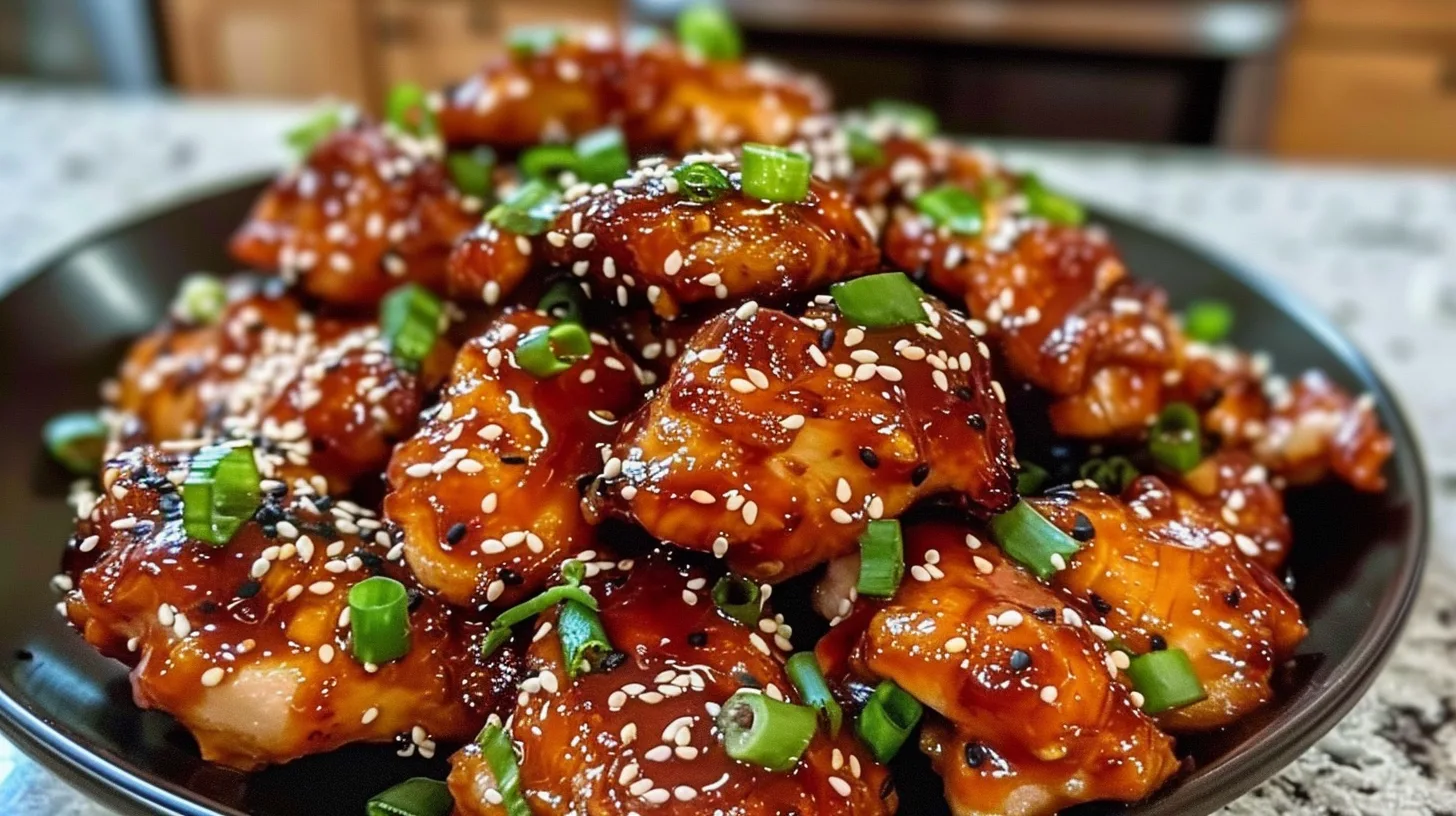
I still remember the first time I tasted Korean chicken at a tiny restaurant in Seoul – that perfect balance of sweet, spicy, and umami flavors coating tender, juicy meat. These Korean chicken breasts bring those nostalgic flavors right to your kitchen.
My first attempt was honestly a disaster. I went overboard with the gochujang and ended up with chicken so spicy it could clear sinuses three blocks away. My family politely pushed food around their plates while I frantically served ice cream as an apology.

Now this recipe has become our go-to comfort meal. The golden, caramelized exterior and aromatic marinade create the perfect weeknight dinner that satisfies every craving.
Ingredients for Korean Chicken Breasts
- Chicken breasts: Pound them to even thickness for consistent cooking – nobody wants dry edges and raw centers, trust me on this one.
- Kosher salt: Essential for drawing out moisture and helping the marinade penetrate deeper into the meat for maximum flavor impact.
- Soy sauce: The umami foundation that gives Korean chicken its signature savory depth – low sodium prevents the dish from becoming too salty.
- Gochujang paste: This fermented chili paste is the soul of Korean cooking, providing sweet heat and complex flavor you can’t replicate.
- Brown sugar: Balances the heat and helps create that gorgeous golden caramelization when the chicken hits the hot pan.
- Rice vinegar: Adds bright acidity that cuts through richness and helps tenderize the meat while marinating beautifully.
- Sesame oil: A little goes a long way – this aromatic oil adds that distinctive nutty Korean flavor that makes everything taste authentic.
- Fresh garlic: Minced fine so it distributes evenly and doesn’t burn, creating aromatic depth that makes your kitchen smell absolutely incredible.
- Fresh ginger: Grate it fresh for the best flavor – dried just doesn’t compare and fresh adds that warm, spicy bite.
- Green onions: Use both white and green parts for layered onion flavor that brightens the entire dish without overwhelming it.
- Vegetable oil: High smoke point oil that won’t burn when searing the chicken at the high heat needed for proper caramelization.
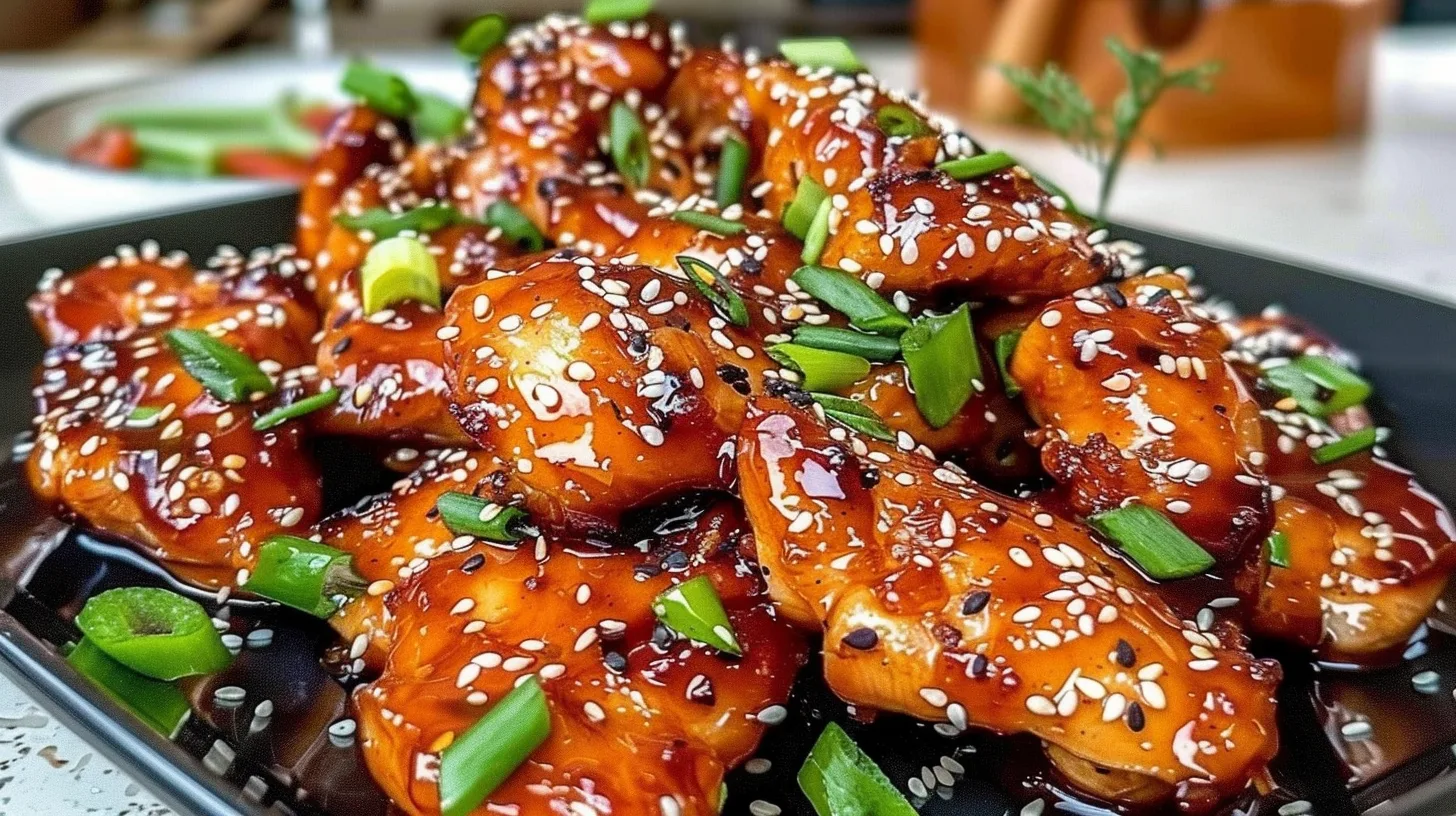
- Sesame seeds: Toasted seeds add textural contrast and visual appeal – they’re the perfect finishing touch that makes everything look restaurant-quality.
How to Make Korean Chicken Breasts
- Prep Chicken:
- Season chicken breasts with salt and pepper, then pound to even 3/4-inch thickness. This ensures uniform cooking and prevents dry, overcooked edges.
- Make Marinade:
- Whisk together soy sauce, gochujang, brown sugar, rice vinegar, sesame oil, garlic, ginger, and green onions until smooth and well combined.
- Marinate Chicken:
- Place chicken in marinade for 15-30 minutes, turning once halfway through. Don’t marinate longer than 2 hours or the acid will make it mushy.
- Heat Pan:
- Heat vegetable oil in large skillet over medium-high heat until shimmering. The pan should be hot enough that marinade sizzles when chicken hits it.
- Sear Chicken:
- Cook chicken 6-7 minutes per side until golden brown and internal temperature reaches 165°F. Don’t move it too early or you’ll miss that caramelization.
- Rest and Slice:
- Let chicken rest 5 minutes before slicing against the grain. This keeps all those delicious juices locked in where they belong.
- Garnish and Serve:
- Sprinkle with sesame seeds, sliced green onions, and red pepper flakes if desired. Serve immediately while the chicken is still warm and aromatic.
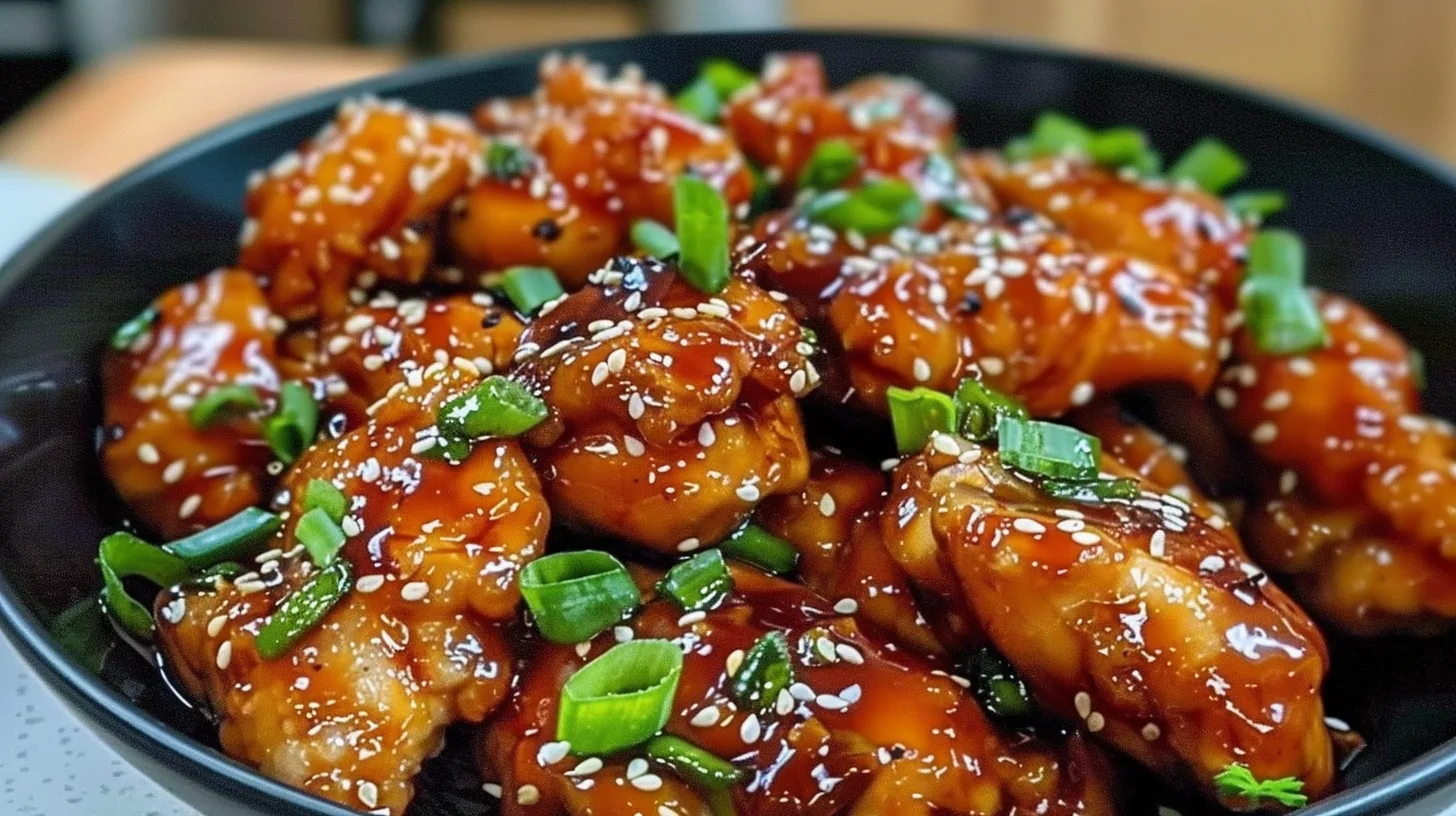
There’s something so satisfying about watching that marinade caramelize and bubble around the edges of the chicken, filling your kitchen with those warm, aromatic Korean spices. Sure, my stovetop usually ends up splattered with sauce and my timing isn’t always perfect, but when I slice into that golden, tender chicken and see my family’s faces light up at first bite, all the messy reality fades away. This Korean chicken has become more than just dinner – it’s our little escape to Seoul, right from our own cozy kitchen table.
How to Store Korean Chicken Breasts
Store leftover Korean chicken breasts in an airtight container in the refrigerator for up to 4 days. The flavors actually deepen overnight, making leftovers even more delicious than the original meal. You can also freeze the cooked chicken for up to 3 months, though the texture will be slightly different after thawing.
To reheat, warm gently in a skillet over medium-low heat with a splash of water, or microwave in 30-second intervals until heated through. Avoid high heat when reheating or the chicken will become tough and dry.
What to Serve with Korean Chicken Breasts
These Korean chicken breasts are perfect served over steamed jasmine rice or Korean-style short grain rice to soak up all those incredible flavors. I also love them with roasted vegetables, kimchi, or wrapped in butter lettuce cups for a lighter meal. Pair with some pickled cucumbers or a simple Asian slaw for fresh contrast.
My personal favorite is serving this chicken alongside some sesame green beans and a bowl of miso soup for a complete Korean-inspired dinner that never fails to satisfy and comfort.
Frequently Asked Questions
- → Can I substitute the gochujang with something else if I can’t find it?
Try mixing sriracha with a little tomato paste and brown sugar, though the flavor won’t be quite the same. Asian markets usually carry gochujang.
- → How long can I marinate the Korean chicken breasts safely?
Marinate for 15 minutes to 2 hours maximum. Longer than that and the acid will start breaking down the proteins too much.
- → Can I grill these Korean chicken breasts instead of pan-searing them?
Absolutely! Grill over medium-high heat for 6-8 minutes per side, watching carefully since the sugars can burn quickly on the grill.
- → What’s the best way to pound chicken breasts to even thickness?
Place between plastic wrap or parchment paper and gently pound with a meat mallet or rolling pin until 3/4-inch thick throughout.
- → Can I make this recipe with chicken thighs instead of breasts?
Yes! Chicken thighs work wonderfully and stay even more moist. Cook until internal temperature reaches 175°F instead of 165°F.
Korean Chicken Breasts
- Prep Time: 15 Minutes
- Cook Time: 25 Minutes
- Total Time: 40 Minutes
- Yield: 4 Servings 1x
- Cuisine: Korean
Description
How to make Korean chicken breasts with gochujang, soy sauce and garlic that deliver restaurant-quality flavor in your own kitchen.
Ingredients
Chicken
- 4 boneless, skinless chicken breasts, pounded to even thickness
- 1 tsp kosher salt
- 1/2 tsp black pepper
Korean Marinade
- 1/4 cup soy sauce, low sodium preferred
- 3 tbsp gochujang paste
- 2 tbsp brown sugar, packed
- 2 tbsp rice vinegar
- 1 tbsp sesame oil
- 4 cloves garlic, minced
- 1 tbsp fresh ginger, grated
- 2 green onions, finely chopped
For Cooking
- 2 tbsp vegetable oil
- 1 tbsp sesame seeds, for garnish
- 2 green onions, sliced, for garnish
- 1 tsp red pepper flakes, optional
Instructions
- Prep Chicken: Season chicken breasts with salt and pepper, then pound to even 3/4-inch thickness. This ensures uniform cooking and prevents dry, overcooked edges.
- Make Marinade: Whisk together soy sauce, gochujang, brown sugar, rice vinegar, sesame oil, garlic, ginger, and green onions until smooth and well combined.
- Marinate Chicken: Place chicken in marinade for 15-30 minutes, turning once halfway through. Don’t marinate longer than 2 hours or the acid will make it mushy.
- Heat Pan: Heat vegetable oil in large skillet over medium-high heat until shimmering. The pan should be hot enough that marinade sizzles when chicken hits it.
- Sear Chicken: Cook chicken 6-7 minutes per side until golden brown and internal temperature reaches 165°F. Don’t move it too early or you’ll miss that caramelization.
- Rest and Slice: Let chicken rest 5 minutes before slicing against the grain. This keeps all those delicious juices locked in where they belong.
- Garnish and Serve: Sprinkle with sesame seeds, sliced green onions, and red pepper flakes if desired. Serve immediately while the chicken is still warm and aromatic.
Notes
- Don’t marinate longer than 2 hours or the chicken will become mushy from the acid.
- Reserve some clean marinade before adding raw chicken to use as a serving sauce.
- Pound chicken to even thickness for consistent cooking throughout.
- Let chicken rest 5 minutes after cooking to retain juices.
- Store leftovers in the refrigerator for up to 4 days in an airtight container.
- Toast sesame seeds in a dry pan for 2-3 minutes for enhanced nutty flavor.
Allergy Information: Soy, Sesame
Nutrition
- Calories: 285 calories
- Fat: 12g
- Carbohydrates: 8g
- Protein: 35g